

2026 Interdisciplinary Symposium
Innovation, Insight, and Action for Future Public Health Emergencies
The Institute of Health Emergencies and Pandemics (IHEP) will hold our 2026 Interdisciplinary Symposium on May 6th at the Hart House on the St. George campus of the University of Toronto
This year’s theme is “Innovation, insight and action for future public health emergencies.” Invited members of the Institute, the university, the government, the private sector, and community members will come together for presentations and discussions around IHEP's research clusters: applied intelligence, health systems solutions, community & equity, health security, public trust & communication, and policy implementation.
Registration for the symposium is by invitation only. If you have not received an invitation and would like to attend, please send a message to ihep.dlsph@utoronto.ca.
The draft agenda is below. The agenda will continue to be filled in as presenters are confirmed.
8:00-9:00 Breakfast and registration
9:00-9:15 Welcome and announcements
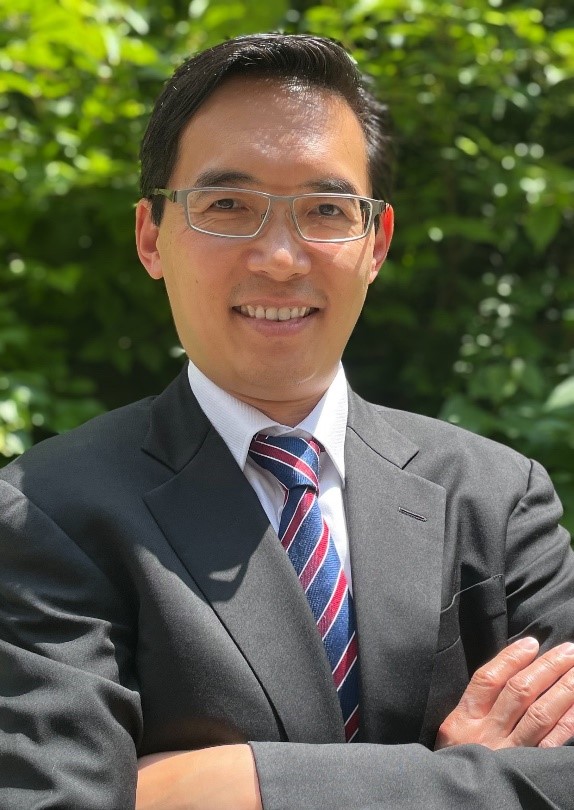
Dr. Nelson Lee, Director, IHEP
9:15-10:00 Morning Keynote - Dr. Howard Njoo, former Interim Chief Public Health Officer of Canada

Dr. Howard Njoo was the Interim Chief Public Health Officer of Canada and previously the Deputy Chief Public Health Officer until his retirement from the federal government in April 2026. He has 35 years of experience working across all levels of government in Canada as a public health physician and medical epidemiologist, as well as being a front line clinician.
At the federal government level, Dr. Njoo played a key role in emergency preparedness and management, including multi-jurisdictional infectious disease outbreaks in Canada such as SARS and H1N1, while also focusing on eliminating tuberculosis, addressing sexually transmitted and bloodborne infections, and reducing the burden of antimicrobial resistance. Throughout the COVID-19 pandemic, he was a key federal government spokesperson communicating to Canadians in both official languages.
Dr. Njoo has also been a strong advocate for non-communicable disease prevention and health promotion, having been involved in tobacco control and lung health initiatives and advancing health equity through a social determinants lens.
In addition, Dr. Njoo has extensive international health experience, including deployments to Haiti post earthquake and to Guinea for the Ebola outbreak, as well as multiple missions for Joint External Evaluations for the International Health Regulations. He is currently an expert consultant to the WHO as a member and past vice chair of the Pandemic Influenza Preparedness Framework Advisory Group.
10:00-10:15 Coffee Break
10:15-11:45 Session: Data‑driven innovations for health emergencies: what’s missing, what’s next
Session Description
This session examines how data and innovation can strengthen preparedness for future public health emergencies by harnessing data, modelling, and innovative systems solutions. Speakers will identify key gaps, showcase emerging research, from environmental modelling to pharmacy-based insights, and demonstrate how these innovations can be translated into real-world action. Focusing on what’s missing and what comes next, the session highlights opportunities to build a more resilient, data-ready health security and health system landscape.
Session Objectives
Overall aim of the session is to highlight the types of data that does/doesn’t exist within Canada that can be used to prepare Canada for the next emergency and to look ahead and identify how those data can provide key inputs into policy-relevant decisions.
- Highlight previous work that has leveraged data to respond to Health Emergencies
- Identify critical data gaps and underutilized information needed to strengthen policy‑relevant decision-making
- Discuss how to translate data and modelling insights into timely, actionable policy decisions
- Explore forward‑looking strategies to ensure models and systems are prepared for emerging and future threats
Presenters

Alison Hill, Faculty of Arts & Science

Dr. Fahad Razak, Unity Health

Jeffrey Siegel, Faculty of Applied Science & Engineering
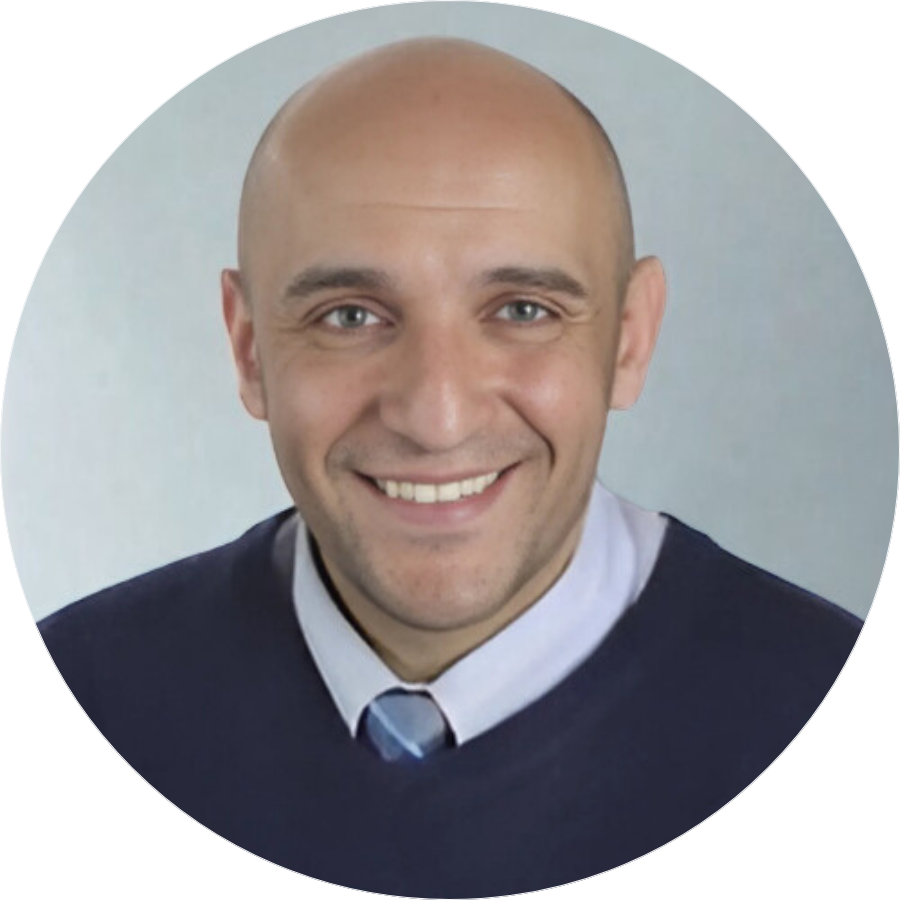
Mina Tadrous, Leslie Dan Faculty of Pharmacy
11:45-12:45 Lunch
12:45-13:30 Afternoon Keynote - Dr. Daniel Barnett, Johns Hopkins University

Dr. Daniel Barnett is a Professor in the Department of Environmental Health and Engineering at Johns Hopkins Bloomberg School of Public Health (JHBSPH), where he has joint appointments in the Department of Health Policy and Management and in the Department of Health, Behavior and Society. He directs the Public Health Preparedness Certificate Program at JHBSPH. Dr. Barnett’s research includes a focus on psychosocial resilience dimensions of public health & healthcare system functioning during and after disasters. He received his MD degree from The Ohio State University College of Medicine, and he completed his residency training in General Preventive Medicine at Johns Hopkins.
13:30-15:00 Session: Transforming policy to enhance emergency preparedness and response
Session Description
This session examines how governance, policy, and interdisciplinary research can strengthen health security and preparedness for health emergencies. Speakers will share forward-looking insights on ensuring access to essential health supplies, supporting accountable decision-making and strengthening response systems. A shared scenario will then anchor a panel discussion on how governance and practice can align to build more resilient and informed response systems.
Session Objectives
- Assess governance and organizational structures that shape preparedness for/response to emergencies.
- Identify gaps in access, coordination, transparency, and accountability that limit effective public health emergency responses.
- Consider how interdisciplinary evidence and real-time research platforms can support timely, equitable and effective decision-making
- Explore forward-looking strategies to strengthen public health, health equity and health security to prevent emergencies, mitigate their effects, and prepare systems for emerging and future crises.
Presenters

András Tilcsik, Rotman School of Management

Dr. Andrew Pinto, Unity Health
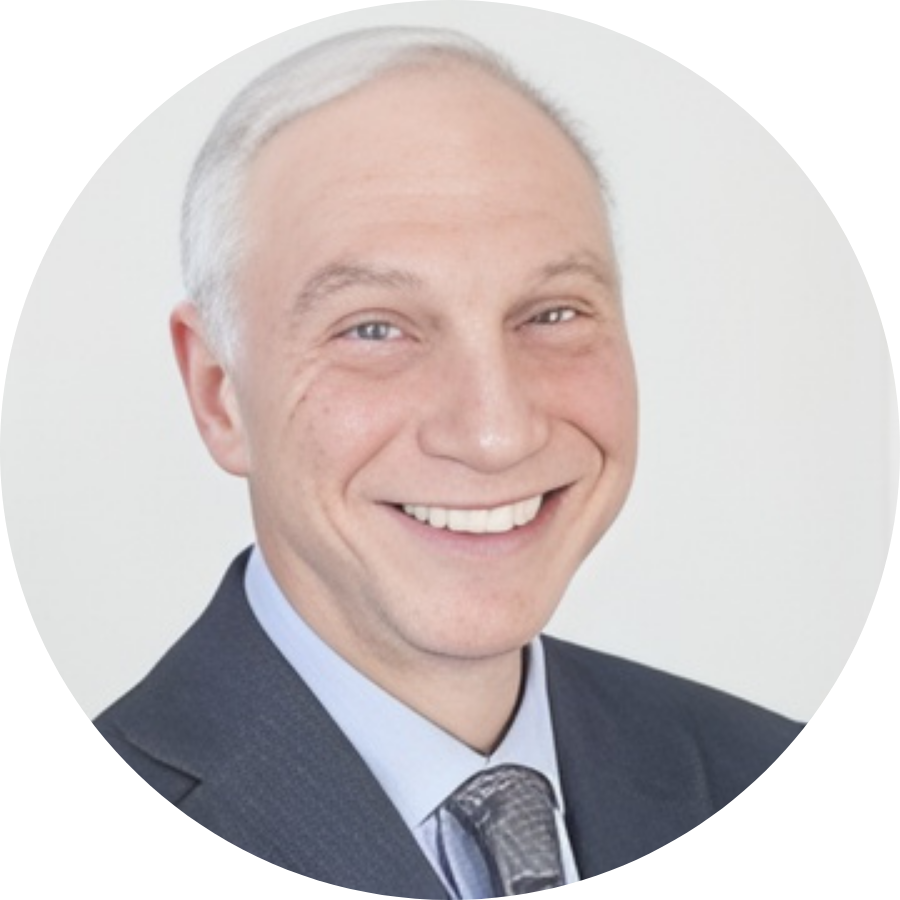
Dr. Brian Schwartz, Temerty Faculty of Medicine

Quinn Grundy, Lawrence Bloomberg Faculty of Nursing
15:00-15:15 Coffee Break
15:15-16:45 Session: Examining public trust (?) and community resilience during health crises
Session Description
This session explores how public trust has been strained during recent health crises and focuses on what it means to rebuild that trust through partnership with communities. Short presentations will open the discussion by examining communication gaps, rethinking traditional ideas of expertise and sharing examples of co-developed initiatives in action. A community panel will guide a collaborative dialogue focused on co-designing more equitable, responsive, and trust-driven approaches to future emergencies.
Session Objectives
- Identify how trust has eroded with marginalized communities during the COVID-19 pandemic
- Learn from lived experiences on how to communicate and respond to the needs and concerns of marginalized communities
- Discuss how public health and communities can work together to build public trust